
The Gut Health Science Every Woman Over 40 Needs To Understand
You now know what's happening inside your gut. Here's why it matters so much more than most people realise
If you've just come from the main gut health page you already understand the basics. Your gut lining is damaged, things are leaking through that shouldn't be, and your immune system is firing continuously to deal with it. That chronic inflammation is behind so much of what you've been experiencing.
But here's where it gets really interesting. Because the impact of a damaged gut goes so much further than digestion, and understanding these connections is what makes everything finally make sense.
Your Gut Microbiome, The Ecosystem Running Your Health
Inside your gut right now there are trillions of bacteria, fungi, and microorganisms living together in what's called your gut microbiome. This is supposed to be there. In a healthy gut this ecosystem is diverse and balanced, hundreds of different species all doing different jobs, working together to keep you well.
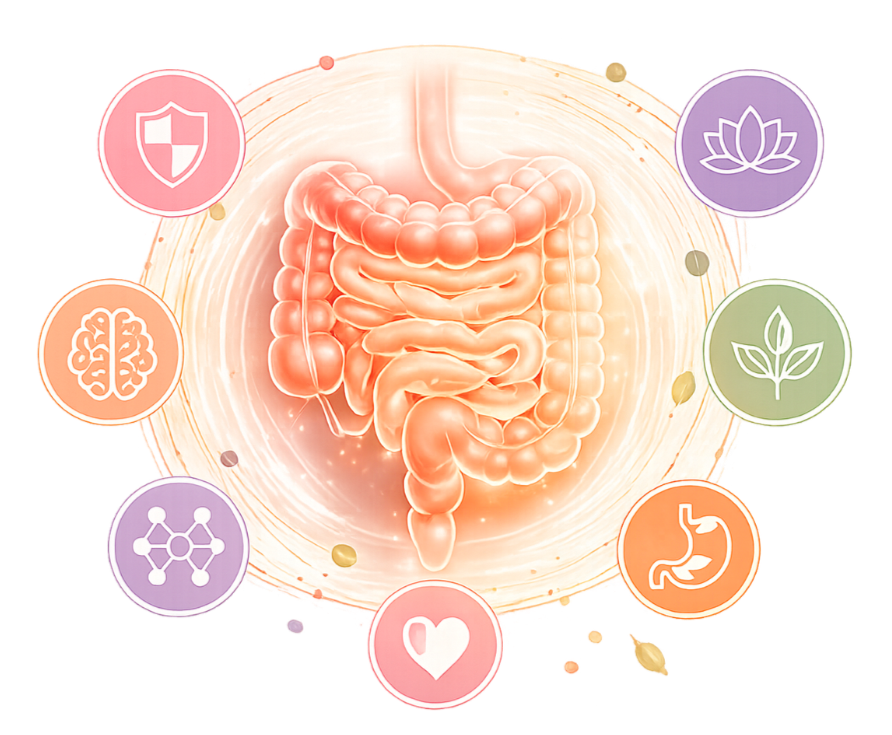
Your gut microbiome is responsible for far more than digestion.
It regulates your immune system, 70% of which lives in your gut.
It produces the majority of your serotonin, your feel-good hormone.
It metabolises your hormones including oestrogen.
It controls inflammation throughout your entire body.
It influences how your body stores fat and uses energy.
It communicates directly with your brain through what scientists call the gut-brain axis.
When this ecosystem is thriving you feel it, energy, clarity, stable mood, a body that feels like it's on your side. When it's out of balance you feel that too, even when you can't quite put your finger on why.
Your Gut And Your Brain Are In Constant Conversation
There is a direct communication highway between your gut and your brain called the vagus nerve, and it runs both ways. Scientists call this the gut-brain axis and it's one of the most significant discoveries in health research in recent years.
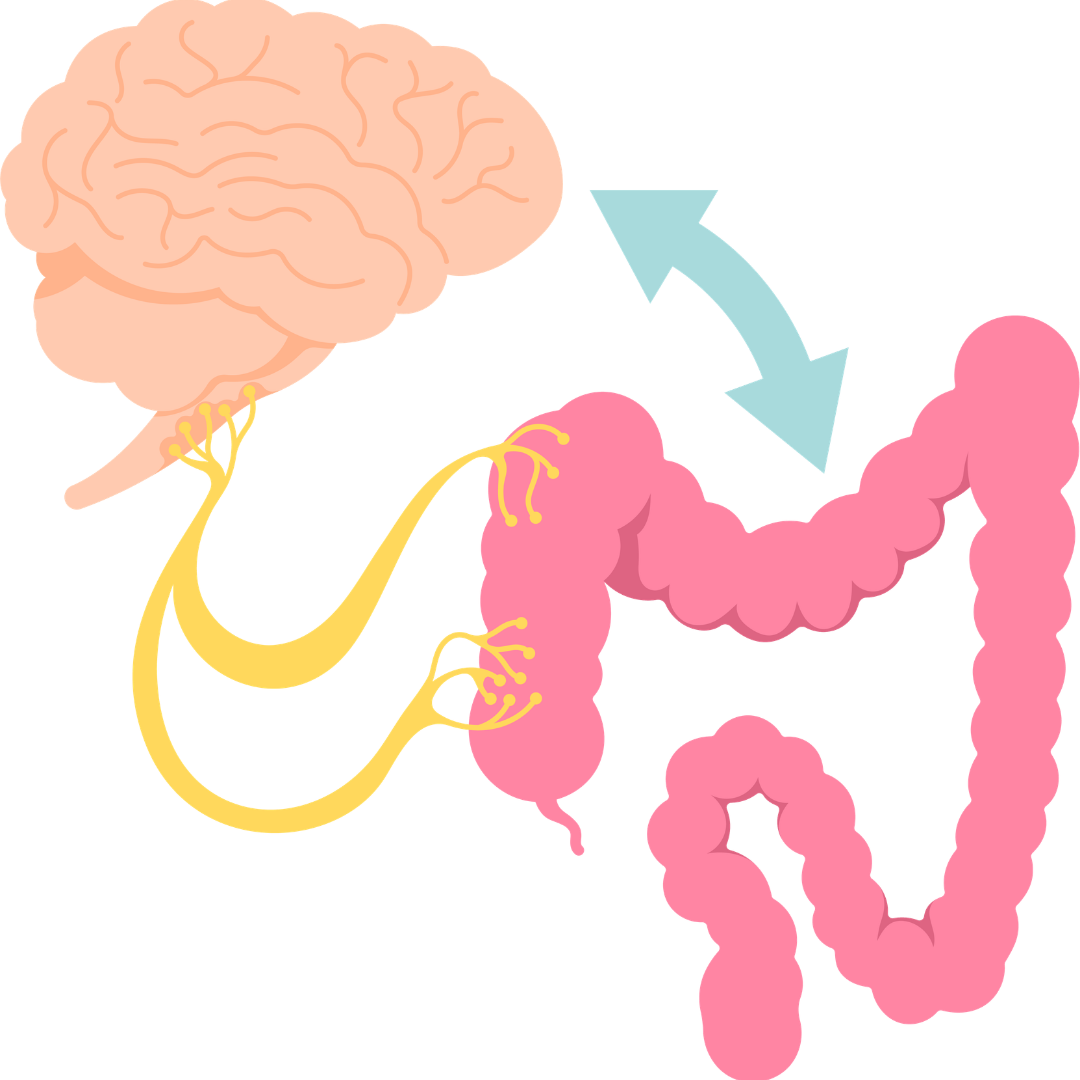
Your gut produces 90% of your body's serotonin - this is your happy hormone, associated with mood, wellbeing, and emotional stability.
It also produces significant amounts of dopamine, your motivation and reward chemical.
When your gut is healthy and your microbiome is diverse, this production runs smoothly and your brain receives what it needs to keep you feeling well.
When your gut is damaged and inflamed, that production is disrupted. The signals travelling up the vagus nerve become dysregulated. And the result shows up not in your stomach but in your head, as anxiety that appears from nowhere, low mood that has no obvious cause, brain fog that makes simple tasks feel impossibly heavy, and a general flatness that you can't quite explain.
This is why so many women dealing with gut issues also struggle with their mental health. It isn't a coincidence and it isn't weakness. It's biology.
Your Gut And Your Immune System
70% of your immune system lives in your gut, housed in what's called the gut associated lymphoid tissue. When your gut microbiome is balanced and your gut lining is intact, your immune system is calibrated correctly. It knows what to attack and what to leave alone.
When your gut lining is damaged and things are leaking through into your bloodstream that shouldn't be there, your immune system goes into a state of constant high alert. It's fighting continuously, day after day, which has two significant consequences.
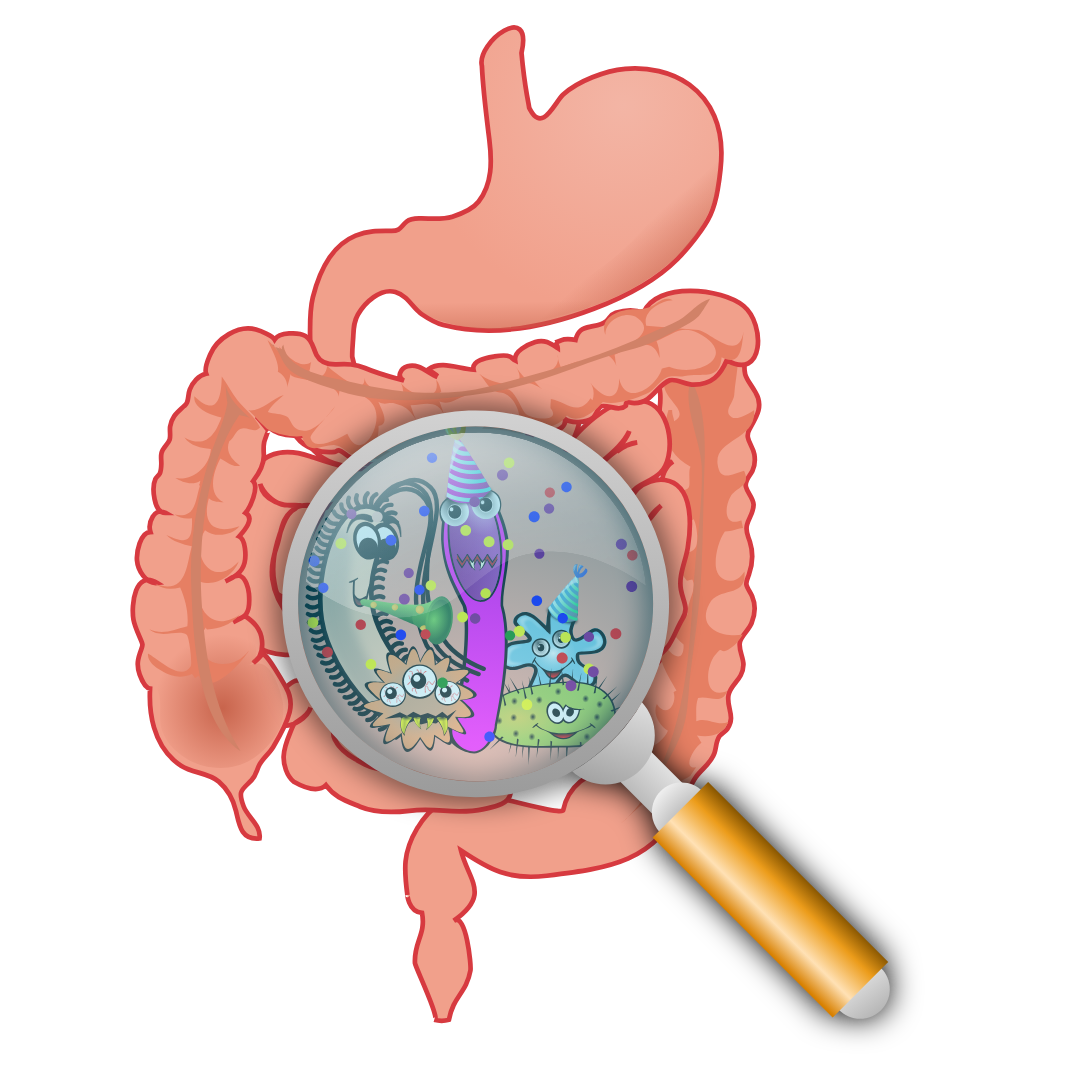
First you become more vulnerable to illness because your immune system is so busy dealing with the internal chaos that it has less capacity to deal with external threats. You catch everything going around. You take longer to recover. You feel run down even when nothing specific is wrong.
Second, a chronically activated immune system can begin to misfire, attacking the body's own tissues in what becomes an autoimmune response. This is one of the key mechanisms behind conditions like Hashimoto's thyroiditis, rheumatoid arthritis, and other autoimmune diseases that are disproportionately common in women.
Your Gut And Your Hormones
This is the connection that most women over 40 have never been told about, and it's one of the most important.
Your gut microbiome contains a specialised community of bacteria called the estrobolome, whose specific job is to metabolise and regulate oestrogen in your body. When this community is healthy and diverse, oestrogen is processed correctly, circulated where it's needed, and eliminated when it's done its job.
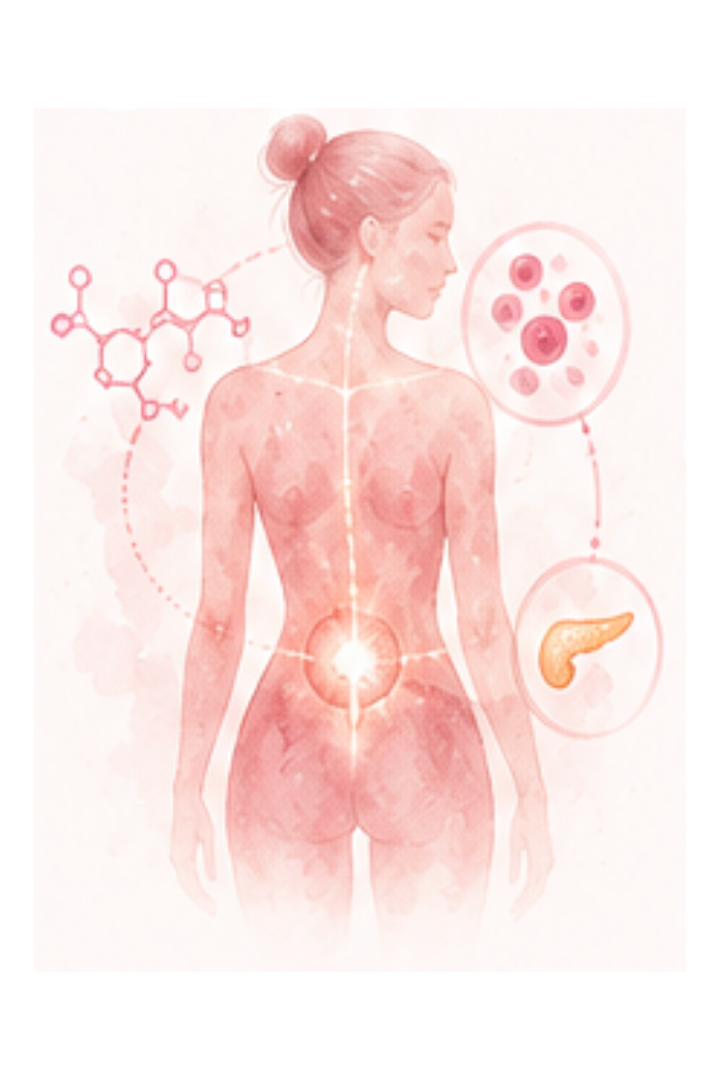
When your gut microbiome is depleted or imbalanced, the estrobolome can't function properly. Either too much oestrogen is reactivated and recirculated, contributing to oestrogen dominance, heavy periods, fibroids, and an increased risk of hormone related cancers. Or too little oestrogen circulates, worsening the symptoms of perimenopause and menopause, hot flushes, night sweats, mood swings, and the bone density loss that accelerates after 40.
And here's the part that makes this particularly relevant for you: as oestrogen declines through perimenopause and menopause, the diversity of your gut microbiome also naturally decreases.
So you have declining oestrogen affecting your gut health, and a struggling gut affecting your oestrogen metabolism, each one making the other worse. Understanding this cycle is the first step to breaking it.
Your Gut And Your Weight
If you've been doing everything right and your weight still won't shift, your gut may be a significant part of the reason.
Your gut bacteria play a direct role in how your body extracts energy from food, how it stores fat, and how it regulates the hormones that control hunger and satiety including leptin and ghrelin. When your microbiome is imbalanced, with harmful bacteria dominating over beneficial ones, your body extracts more calories from the same food, stores fat more readily, and struggles to register fullness properly.

Research has consistently shown that women with less diverse gut microbiomes have more difficulty maintaining a healthy weight, experience more intense cravings particularly for sugar and processed foods (because the harmful bacteria literally signal to your brain to feed them), and respond less effectively to diet and exercise changes.
This isn't a willpower problem. It's a gut problem.
What Chronic Inflammation Actually Does To Your Body
When your gut is leaking and your immune system is in a state of permanent activation, the resulting chronic low grade inflammation doesn't stay in one place. It travels. And over time it begins to contribute to conditions that seem completely unrelated to your gut.
To understand exactly which conditions are linked to poor gut health and chronic inflammation, and why the connection between them is so significant, head to the next page.
Want To Talk?
And if you're already thinking you want to do something about this, everything I recommend and why I trust it completely is on my What I Recommend page.
If you've read this and want to understand more about what's going on in your body or what I recommend to the women I work with, reach out and let's have a conversation. No pressure, no pitch. Just honest information from someone who genuinely cares. 💙