
What Poor Gut Health Can Lead To
This is where you really see the big picture, because the conditions associated with poor gut health go far beyond digestive problems.
What Happens When Your Gut Leaks
When the gut lining is compromised, undigested food proteins, toxins and harmful bacteria, that should stay inside your gut, pass through into your bloodstream. Your immune system, which lives largely in your gut, identifies these as foreign invaders and launches an inflammatory response to deal with them.
At first this is localised. But over time, as the leaking continues and the immune system keeps firing, the inflammation becomes systemic, spreading through the body and showing up in ways that seem completely unrelated to digestion.
Digestive Conditions
Irritable Bowel Syndrome (IBS) IBS affects around 1 in 5 people and is characterised by bloating, cramping, alternating constipation and diarrhoea, and unpredictable digestion. Research consistently links IBS to an imbalanced gut microbiome and increased gut permeability.
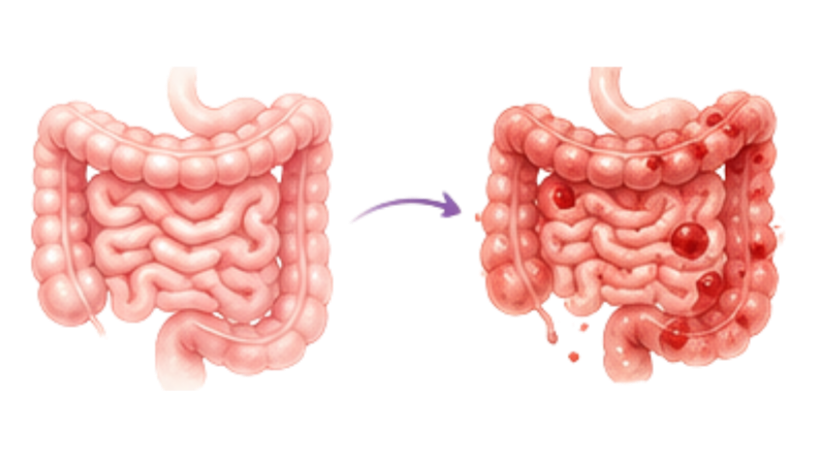
Inflammatory Bowel Disease (IBD) Crohn's disease and Ulcerative Colitis are chronic inflammatory conditions of the digestive tract. Both are strongly associated with gut microbiome disruption and immune dysregulation in the gut.
SIBO (Small Intestinal Bacterial Overgrowth) When bacteria overgrow in the small intestine where they shouldn't be in large numbers, symptoms include severe bloating, discomfort, nutrient malabsorption, and fatigue.
Acid Reflux and GERD Contrary to popular belief, acid reflux is often a sign of too little stomach acid rather than too much, combined with bacterial imbalance and poor gut motility.
Mental Health Conditions
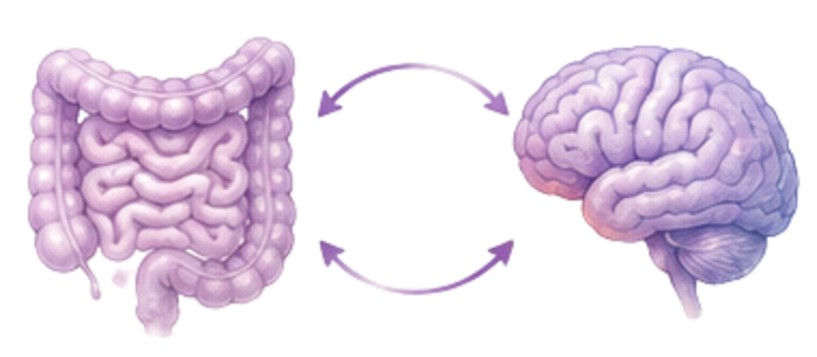
Anxiety and Depression The gut produces 90 to 95% of the body's serotonin. When the gut microbiome is disrupted, serotonin production is compromised. Research now shows strong bidirectional links between gut health and both anxiety and depression.
Brain Fog and Cognitive Decline Gut inflammation sends inflammatory signals to the brain that impair focus, memory, and clear thinking. Emerging research also links gut microbiome disruption to increased risk of neurodegenerative conditions including Alzheimer's disease.
Chronic Stress and Burnout The gut-brain axis means that a dysregulated gut keeps the nervous system in a state of low-level stress. This makes it significantly harder to regulate emotions, recover from difficult experiences, and build resilience.
Hormonal Conditions
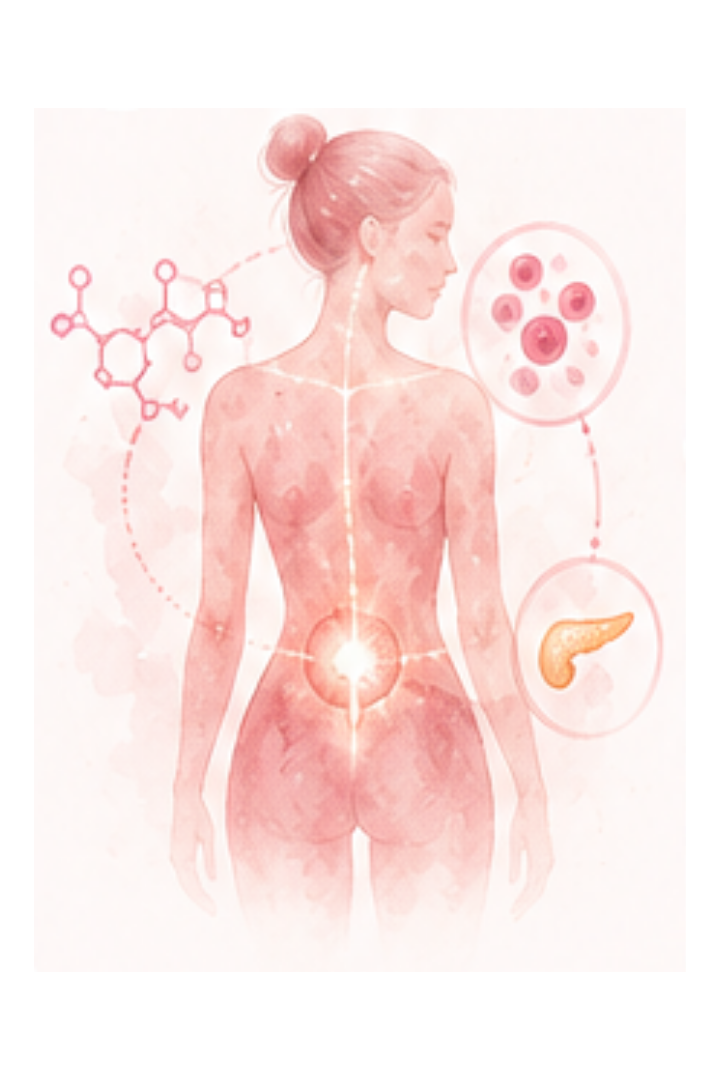
Oestrogen Imbalance Your gut bacteria metabolise and regulate oestrogen through a group of microbes called the estrobolome. When this is disrupted, oestrogen either accumulates or depletes, contributing to PMS, heavy periods, mood changes, and worsened perimenopause symptoms.
Thyroid Dysfunction The gut plays a role in converting inactive thyroid hormone to its active form. A damaged gut can contribute to symptoms of hypothyroidism even when blood tests appear normal.
Insulin Resistance and Blood Sugar Dysregulation Certain gut bacteria directly influence how your body responds to insulin. An imbalanced microbiome is associated with increased risk of insulin resistance, type 2 diabetes, and metabolic syndrome.

Endometriosis
Immune and Inflammatory Conditions
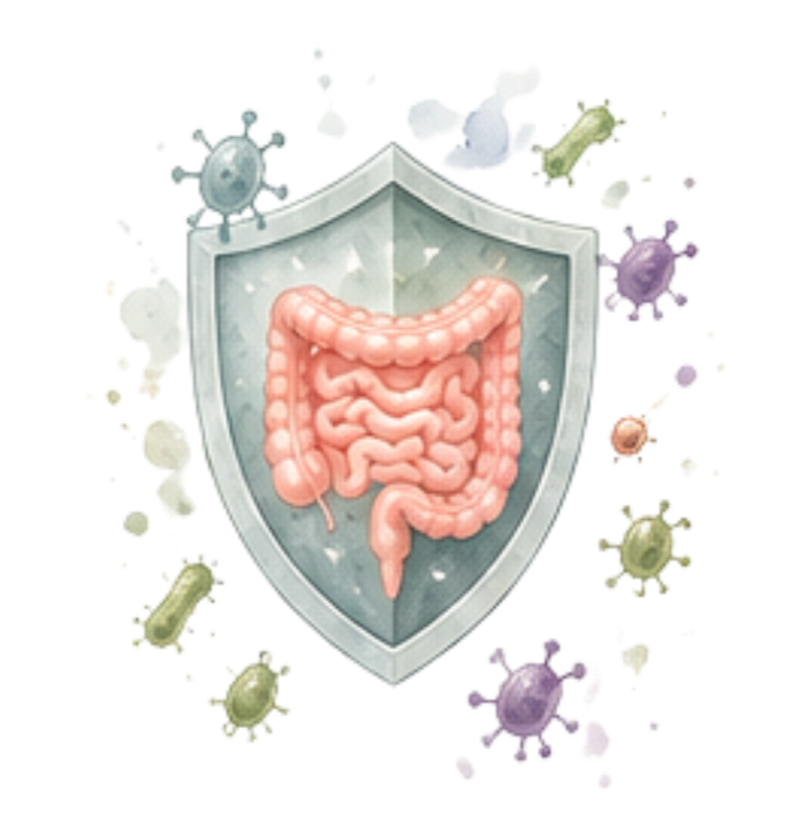
Autoimmune Conditions Research increasingly links leaky gut to the development of autoimmune conditions including rheumatoid arthritis, Hashimoto's thyroiditis, lupus, and multiple sclerosis. When the gut lining is compromised, the immune system is exposed to substances it shouldn't be, triggering it to attack the body's own tissues.
Allergies and Food Intolerances A disrupted gut microbiome in early life is strongly associated with the development of allergies. In adults, increased gut permeability is linked to the development of new food intolerances that weren't present before.
Chronic Inflammation Low-grade systemic inflammation, often driven by a compromised gut lining, is now understood to underlie most chronic diseases including heart disease, cancer, type 2 diabetes, and dementia.
Other Conditions Linked to Poor Gut Health
Skin Conditions (eczema, acne, rosacea, psoriasis)
Joint Pain & Arthritis
Chronic Fatigue & Fibromyalgia
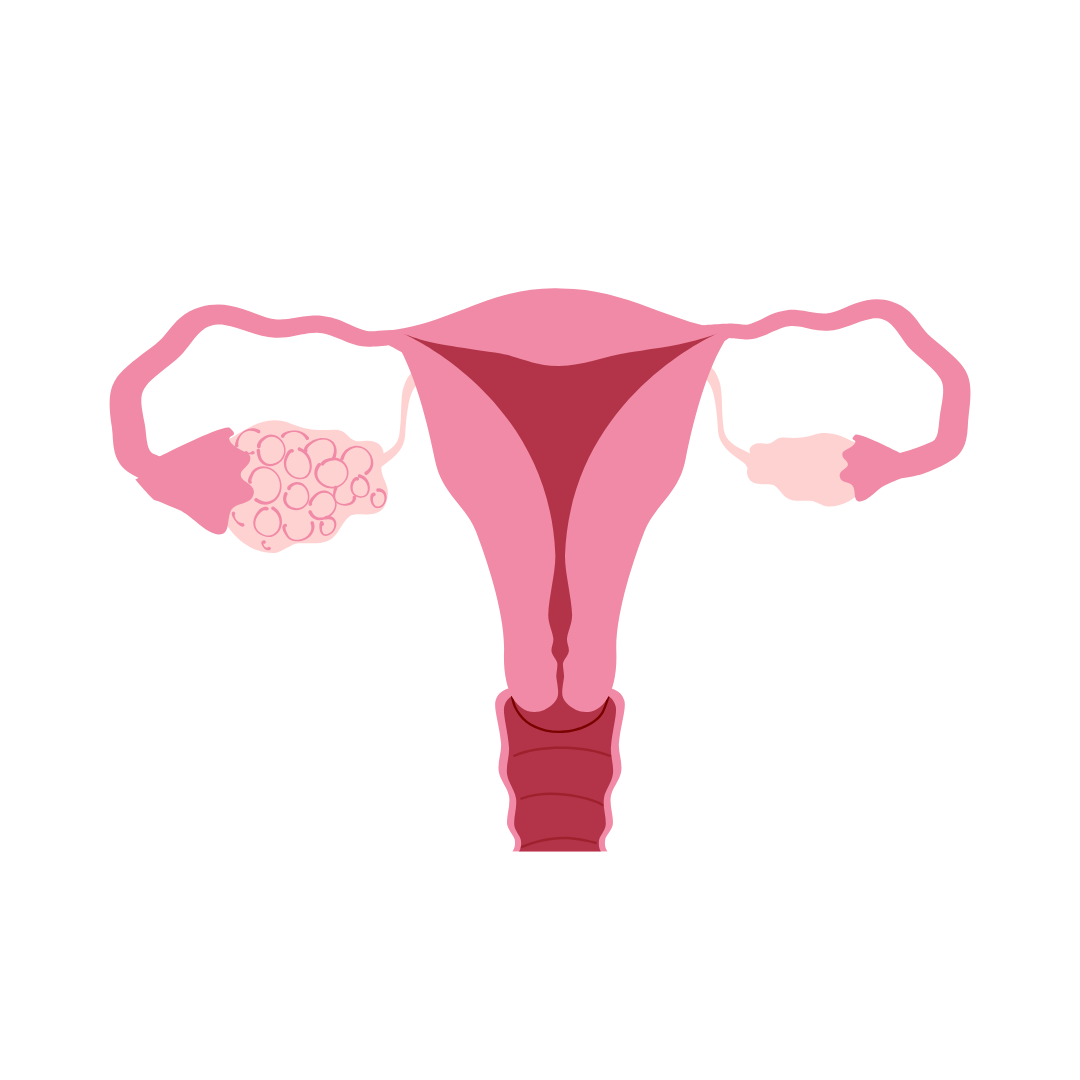
Polycystic Ovary Syndrome (PCOS)
Hormonal Acne
Weight Gain & Obesity
Sleep Disorders

The good news is that your gut microbiome is one of the most responsive systems in your body.
Want To Talk?
If you've read this and want to understand more about what's going on in your body or what I recommend to the women I work with, reach out and let's have a conversation. No pressure, no pitch. Just honest information from someone who genuinely cares. 💙