
Why Restoring your Gut Lining is CRUCIAL for Your Long-Term Health
If you've just read about the conditions linked to poor gut health, you might be feeling a little overwhelmed, and that's completely understandable. But here's what I want you to know:
your gut is one of the most responsive organs in your body, and the changes you make today will start making a difference faster than you think.
Restoring and maintaining your gut lining is one of the most evidence-based things you can do for your long term health, and the research is clear. A healthy gut lining is associated with:
Better immune regulation and lower rates of autoimmune disease
Reduced systemic inflammation and lower risk of chronic disease
Better nutrient absorption and therefore better energy, mood and cognitive function
More stable hormones and a smoother experience of perimenopause and menopause
Healthier weight management
Better mental health outcomes
Longer healthspan, not just lifespan, but years of feeling genuinely well
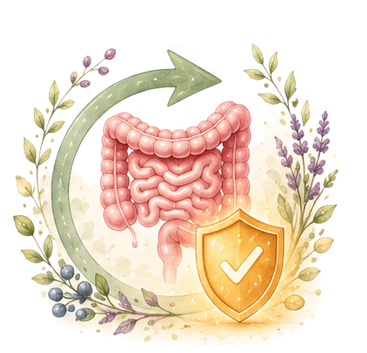
Here are the things you can start today that will make a real difference.
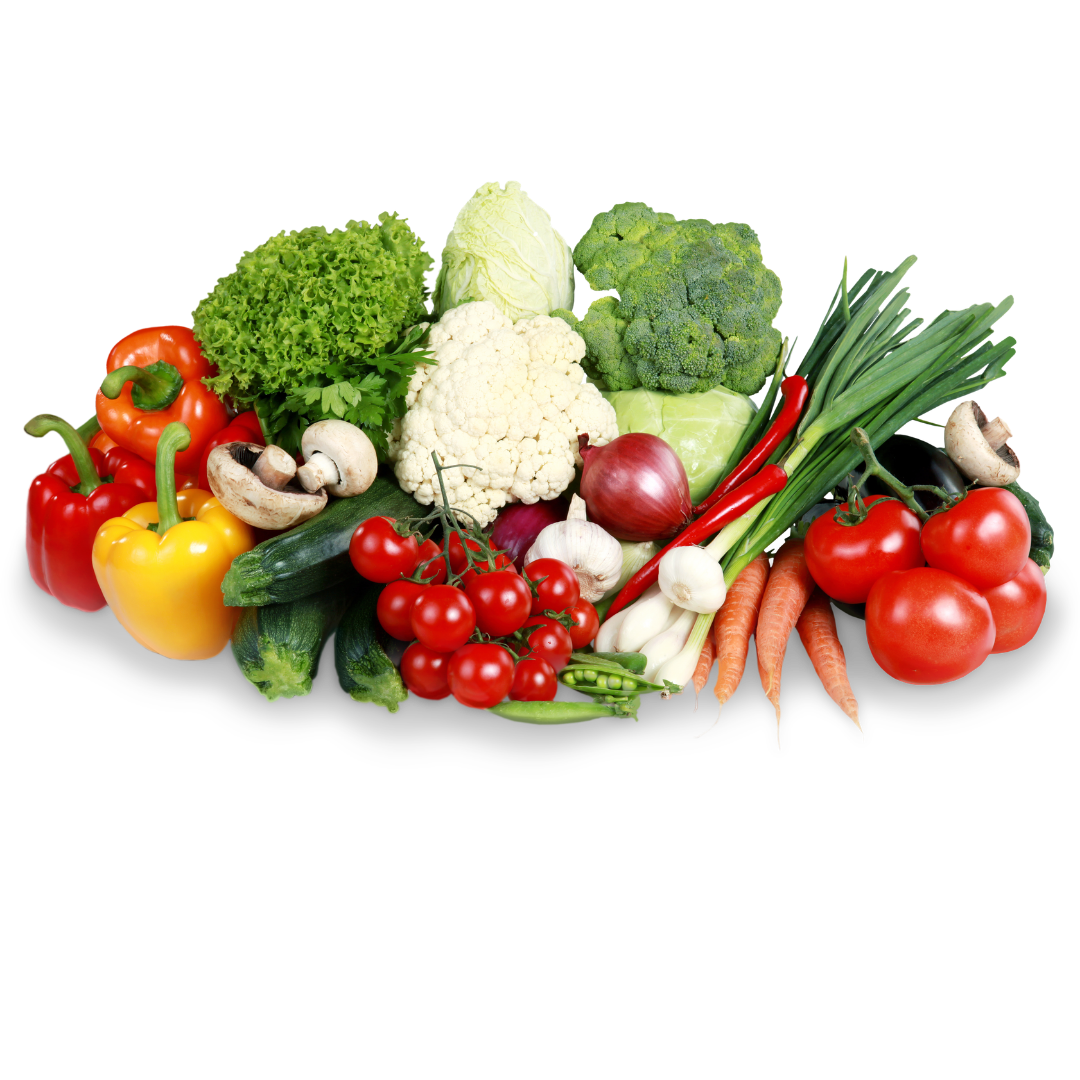
Eat More Plants and More Variety
Aim for 30 different plant foods per week. This sounds like a lot but it adds up faster than you think when you include vegetables, fruits, nuts, seeds, legumes, herbs, and wholegrains. Diversity in your diet creates diversity in your microbiome, and diversity is the single biggest marker of a healthy gut.

Manage Your Stress as a Health Priority
Chronic stress is one of the most destructive forces on gut health. This is not optional. Walking, breathwork, meditation, adequate rest, meaningful connection, doing things that bring you joy, these are all gut health interventions, not just self-care indulgences.
Prioritise Sleep
Your gut microbiome has its own circadian rhythm that responds to yours. Consistent sleep times, even imperfect sleep, support your microbiome better than erratic rest. Aim for 7 to 9 hours and protect your wind-down routine.

Add Fermented Foods Daily
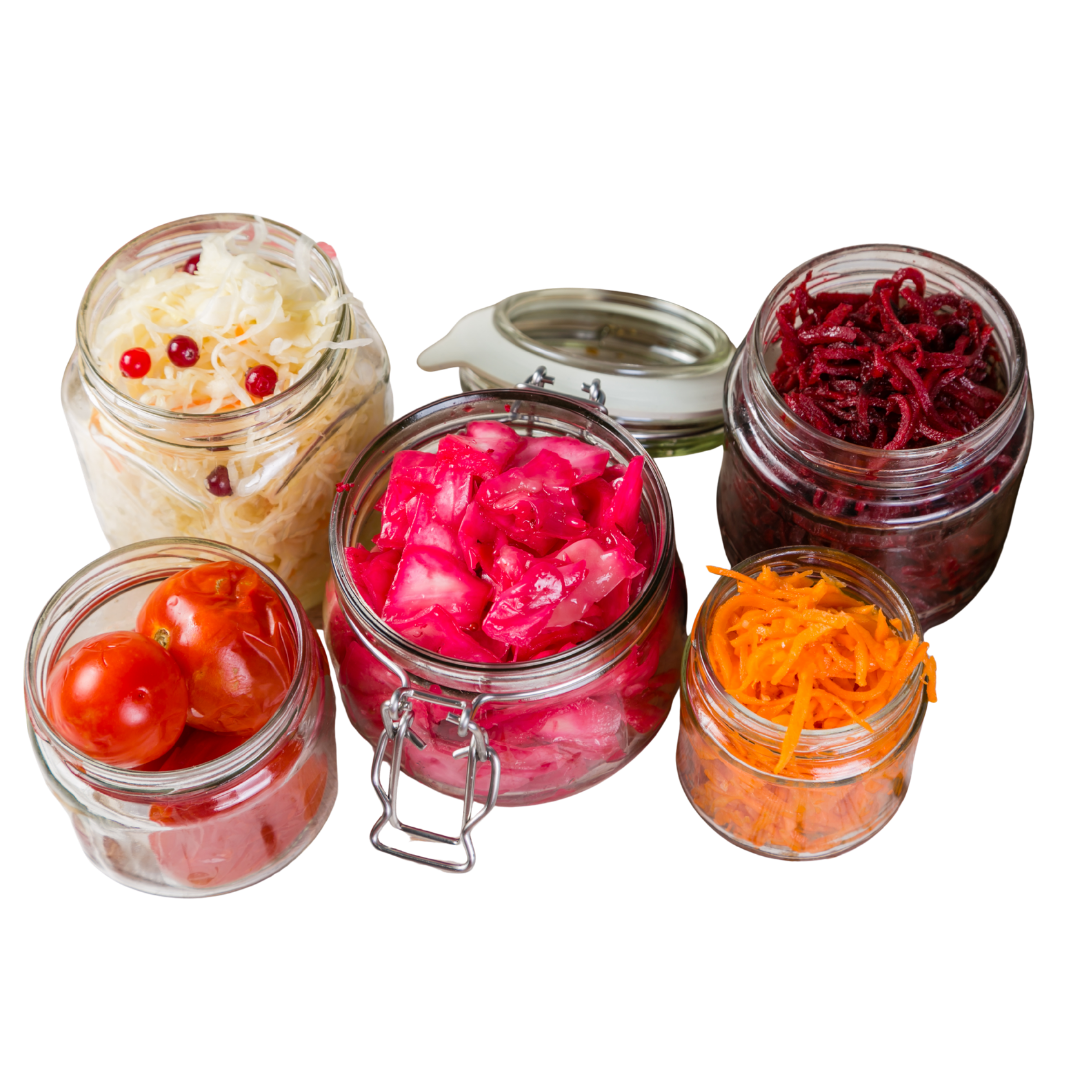
E.G: Natural live yoghurt; Kefir, dairy or water-based; Sauerkraut; Kimchi; Kombucha; Miso; Tempeh
Fermented foods contain live bacteria that add directly to your gut microbiome. Start small and build up gradually. Even a tablespoon of sauerkraut or a small glass of kefir daily makes a measurable difference over time.
Stay Well Hydrated
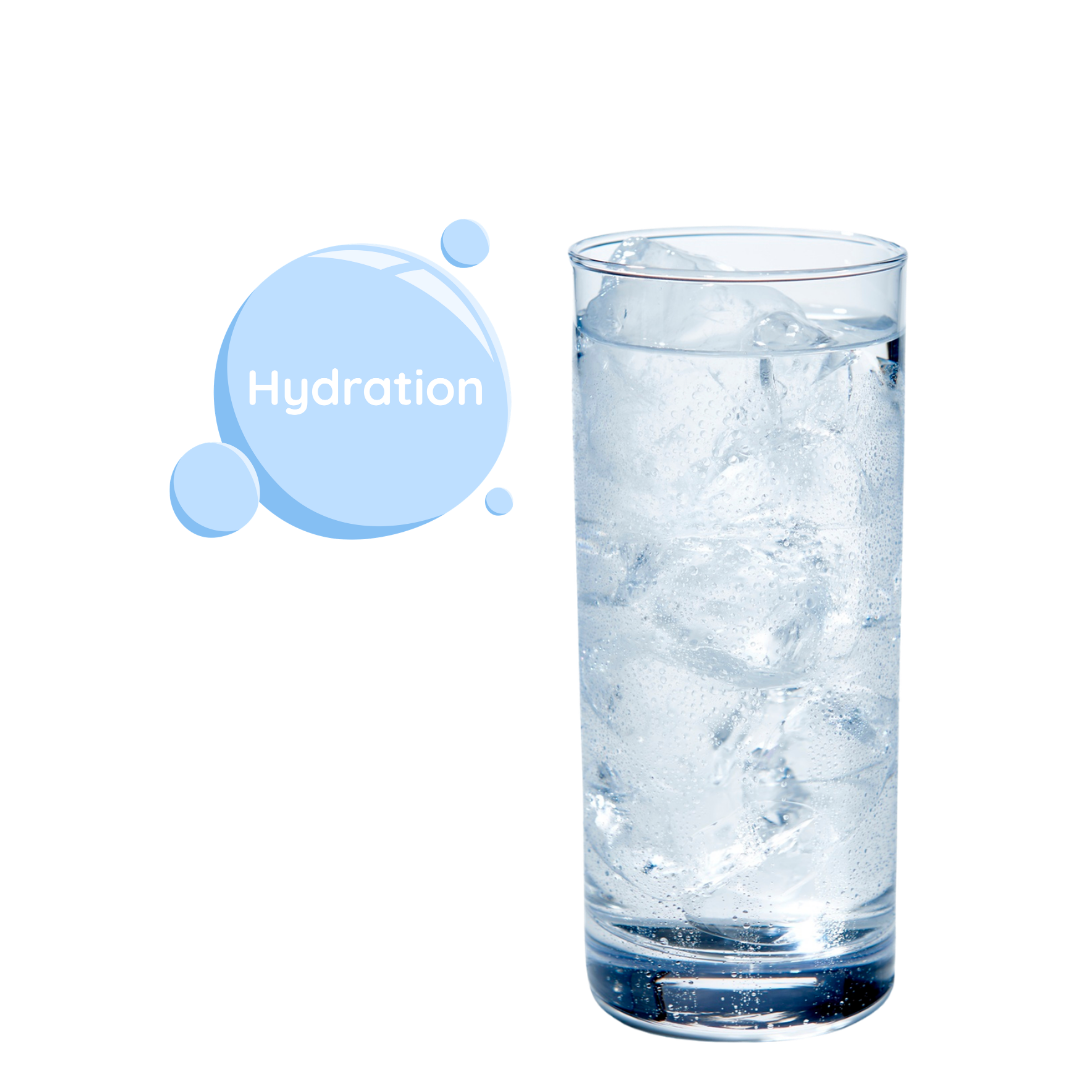
Your gut needs water to maintain the protective mucosal lining, to support motility, and to allow your good bacteria to function properly. Aim for 2 to 2.5 litres of water daily, more if you are active or in a warm climate.

Move Your Body Regularly
Regular physical activity increases the diversity of your gut microbiome. You don't need to be doing high-intensity exercise. Walking, swimming, yoga, cycling, dancing, it all contributes. Aim for movement every day, even gentle movement on harder days.

Reduce Ultra-Processed Food
You don't need to be perfect. But reducing ultra-processed food, particularly anything with emulsifiers, artificial sweeteners, and preservatives, makes a significant difference to your gut lining integrity over time.
Feed Your Good Bacteria with Prebiotics
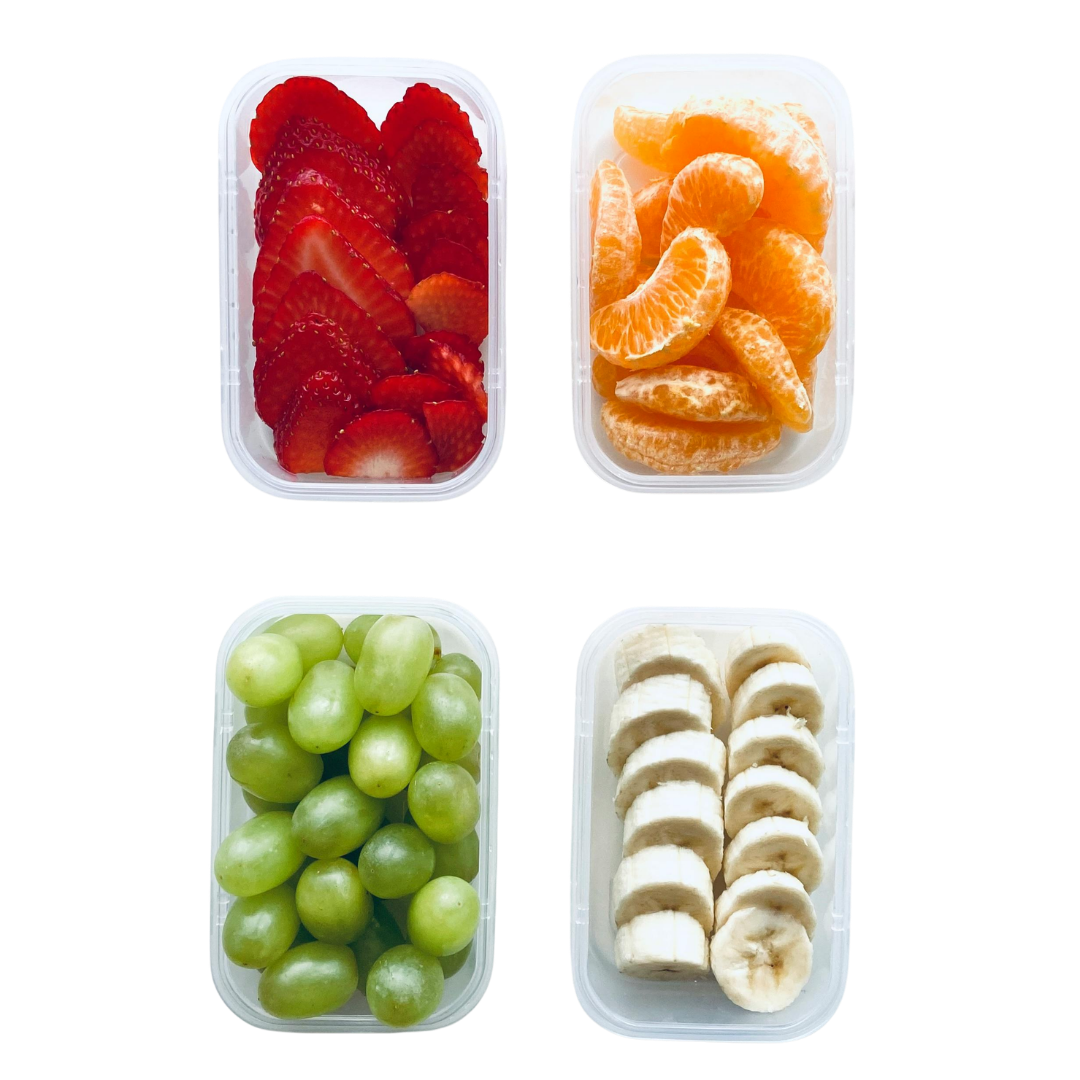
Prebiotics are the fibres that feed and fuel your existing good bacteria. Include these regularly: Garlic and onions, Leeks and asparagus, Bananas, particularly slightly under-ripe ones, Oats, Jerusalem artichokes, Chicory root, Flaxseeds
Take a Quality Probiotic
A good quality probiotic can significantly accelerate gut healing, particularly after antibiotic use, periods of high stress, or years of poor gut health. But not all probiotics are equal, and this is where most women waste money on products that never actually reach their gut.
The most important thing to look for is survivability. If a probiotic is destroyed by stomach acid before it reaches your gut, it cannot help you no matter how many billion CFU it claims on the label.
Beyond that you want multiple clinically studied strains, natural ingredients, and real research behind the product. Give any probiotic at least 8 to 12 weeks of consistent daily use before assessing whether it's working for you.
I found one that ticks all boxes, and the results I've seen have genuinely surprised even me. Everything you need to know about it is on my What I Recommend page.
Restore and Protect Your Gut Lining
Specific nutrients are particularly important for repairing and maintaining the gut lining:
L-Glutamine , an amino acid that is the primary fuel source for gut lining cells and plays a key role in maintaining tight junction integrity.
Zinc, essential for gut lining repair and immune function in the gut.

Polyphenols, found in berries, dark chocolate, green tea, and olive oil. These compounds feed beneficial bacteria and reduce gut inflammation.

Vitamin D, plays a crucial role in maintaining gut barrier function. Deficiency is extremely common and consistently linked to increased gut permeability.
Collagen and bone broth, rich in amino acids that directly support the gut lining structure.
Omega-3 fatty acids, found in oily fish, walnuts, and flaxseeds. Powerfully anti-inflammatory and protective of the gut lining.

Find out more about supporting your gut health and the probiotic I personally take, and recommend.
Want To Talk?
If you've read this and want to understand more about what's going on in your body, reach out and let's have a conversation. No pressure, no pitch. Just honest information from someone who genuinely cares. 💙